

Article: Seed Oils vs Animal Fats: Impact on Inflammation, Recovery, and Energy

Seed Oils vs Animal Fats: Impact on Inflammation, Recovery, and Energy
Fat isn’t just fuel. It’s a signal.
The types of fats you eat influence inflammation, hormone production, recovery, and whether your energy stays steady or crashes hard. That’s why the conversation around seed oil vs animal fat has picked up steam, especially among people who train hard, work long hours, and care about long-term health.
So let’s cut through the noise and answer the real questions:
- Are animal fats better than seed oils?
- Why do people avoid seed oils?
- Is beef tallow healthier than vegetable oils?
No extremes. Just what actually matters.
What Are Seed Oils — and Why Are They Everywhere?
Seed oils are fats extracted from seeds like soybean, corn, canola, sunflower, and safflower. You’ll find them in:
- Packaged snacks
- Restaurant food
- Protein bars and shakes
- Salad dressings and sauces
They’re cheap, shelf-stable, and heavily used in ultra-processed foods.
Why Do People Avoid Seed Oils?
The concern isn’t that seed oils are “toxic.” It’s dose, processing, and context.
-
Excess omega-6 intake
Seed oils are high in omega-6 polyunsaturated fats. Omega-6 isn’t bad, but most modern diets get far more than needed, creating an imbalance that can promote chronic inflammation. -
Industrial processing
Many seed oils are extracted using high heat and chemical solvents, which can oxidize the fat before it ever reaches your plate. -
Poor heat stability
Polyunsaturated fats break down more easily when heated, increasing the likelihood of inflammatory byproducts during cooking.
If you’re training regularly or trying to recover well, those tradeoffs matter.
What Are Animal Fats?
Animal fats include:
- Beef tallow
- Butter and ghee
- Lard
- Duck fat
These fats are primarily saturated and monounsaturated, which means more stable structures that hold up better under heat and digestion.
They also tend to be:
- Minimally processed
- Naturally occurring in whole foods
- Easier for many people to tolerate
Animal fats have fueled humans for generations. The issue isn’t that they’re “old-school”, it’s that they’re metabolically reliable.
Are Animal Fats Better Than Seed Oils?
In many cases, yes — especially if your priorities are recovery, inflammation control, and steady energy.
Inflammation
Highly oxidized fats can stress the body. Reducing excess omega-6 intake and choosing more stable fats often correlates with improved inflammatory markers, particularly in active individuals.
Recovery
Fat plays a role in hormone production, including hormones involved in muscle repair and adaptation. Stable fats support that process without adding unnecessary metabolic noise.
Energy
Animal fats digest more slowly and don’t spike blood sugar. That means fewer crashes and more consistent output on the gym floor and during long days.
This isn’t about eating sticks of butter. It’s about choosing fats that work with your body instead of against it.
Is Beef Tallow Healthier Than Vegetable Oils?
For high-heat cooking and everyday use, beef tallow is often a better choice than refined vegetable oils.
Beef tallow:
- Is extremely heat stable
- Contains minimal omega-6
- Requires no industrial processing
- Naturally includes fat-soluble vitamins
Vegetable oils, especially refined seed oils, are far more likely to oxidize when heated and contribute disproportionately to omega-6 overload.
Again, context matters. But if you’re choosing a cooking fat, stability wins.
Where Most “Healthy” Snacks Go Wrong
Here’s the disconnect:
People clean up their meals, but still rely on ultra-processed snacks made with seed oils, fillers, and cheap fats.
That’s where inflammation, energy crashes, and poor recovery quietly sneak back in.
A Smarter Way to Fuel Between Meals
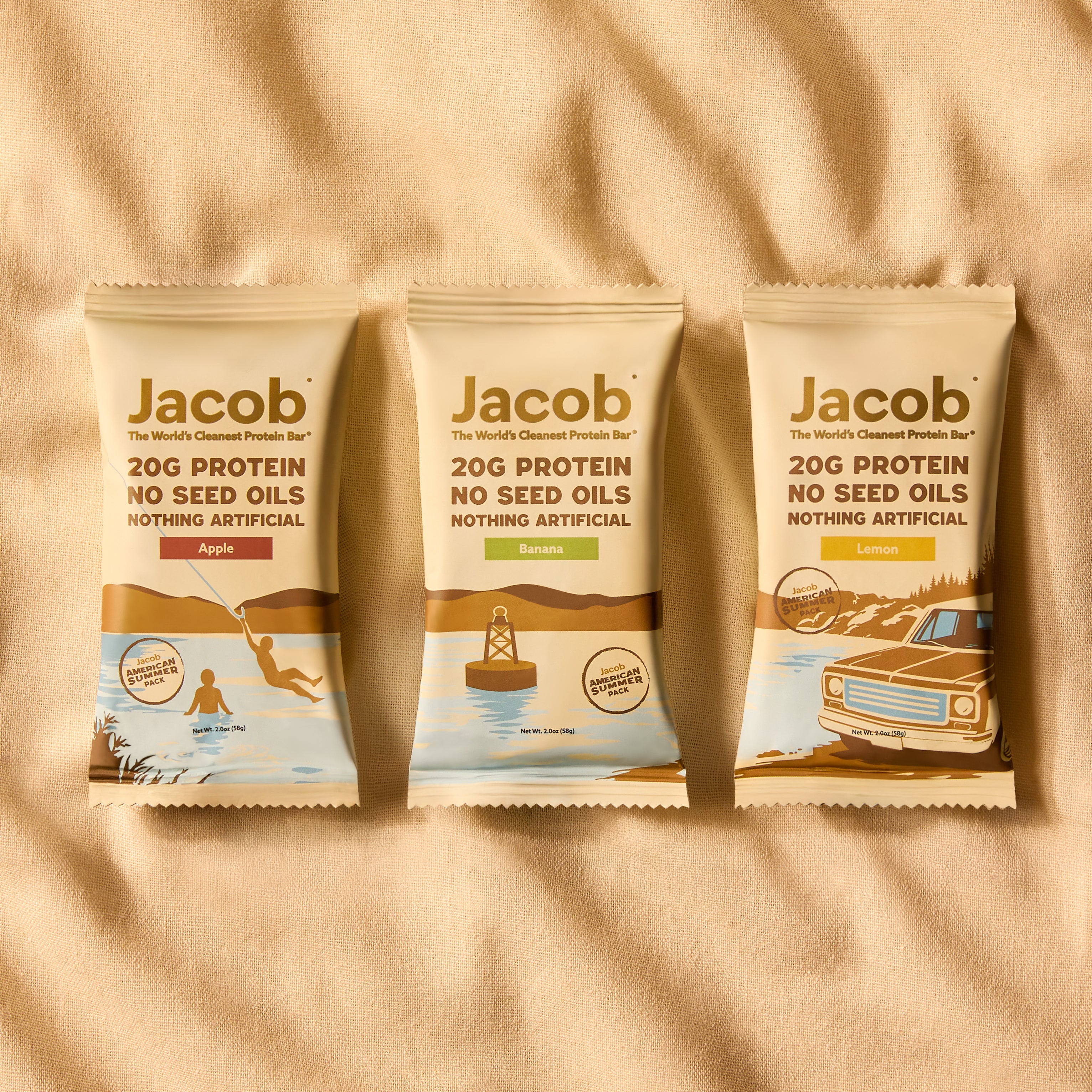
This is exactly why Jacob protein bars are built differently.
Instead of seed oils and filler fats, Jacob bars focus on:
- High-quality protein to support recovery
- Real, simple ingredients you recognize
- Fats that don’t sabotage energy or digestion
They’re designed for real life, between workouts, meetings, travel days, when you need something reliable, not another “health” bar that leaves you feeling off an hour later.
No gimmicks. No inflammation bombs disguised as fuel.
Seed Oil vs Animal Fat: The Real Takeaway
This debate isn’t about perfection. It’s about stacking small advantages.
A simple framework:
- Limit ultra-processed foods loaded with seed oils
- Cook with stable fats like tallow, butter, or ghee
- Prioritize protein and whole ingredients
- Choose snacks that actually support recovery and energy
So, are animal fats healthier than seed oils?
For most people chasing performance, consistency, and long-term health, the answer leans yes.
And when it comes to everyday fuel, the best choice is the one that keeps your body steady, strong, and ready to go.
Frequently Asked Questions
Are animal fats better than seed oils?
Animal fats are often a better choice than seed oils because they’re more stable, less processed, and lower in omega-6 fatty acids. For many people, this supports lower inflammation, better recovery, and more consistent energy levels.
Why do people avoid seed oils?
People avoid seed oils because they’re highly processed, easy to overconsume, and high in omega-6 fats. When consumed in excess, especially from ultra-processed foods, seed oils may contribute to chronic inflammation and energy crashes.
Is beef tallow healthier than vegetable oils?
Beef tallow is often healthier than refined vegetable oils for cooking because it’s heat-stable, minimally processed, and low in omega-6 fats. This makes it less likely to oxidize and form inflammatory byproducts during cooking.
Do animal fats cause inflammation?
Animal fats themselves are not inherently inflammatory. In fact, their stability may help reduce oxidative stress compared to highly processed seed oils, particularly when consumed as part of a whole-food, balanced diet.
How do Jacob protein bars avoid seed oil issues?
Jacob protein bars are made without seed oils or filler fats. They use high-quality ingredients designed to support recovery and steady energy, making them a smarter snack option than ultra-processed bars made with industrial oils.

Written by Jake Levy

